
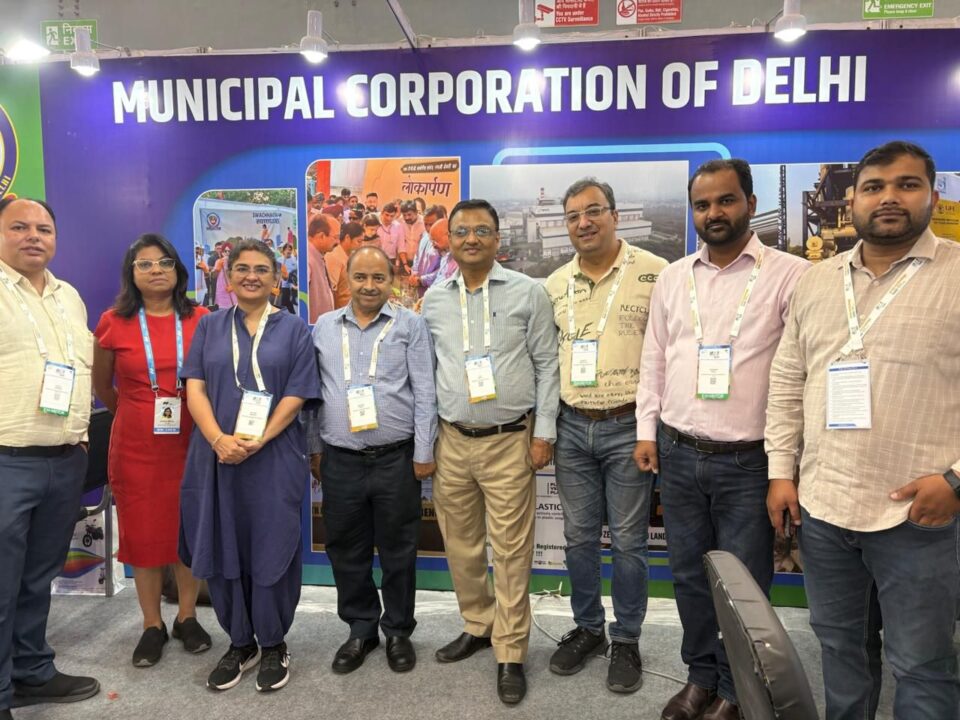
Delhi’s civic body is turning heads on the global stage. At IFAT Delhi 2026, the Municipal Corporation of Delhi (MCD) showcased a suite of advanced waste management models, positioning itself as a frontrunner in India’s sustainability drive and a serious player in international urban innovation.
The three-day trade fair, dedicated to water, sewage, solid waste, and recycling, saw an active MCD delegation of over 30 officials and partner organizations. Their presence was marked not just by participation but by a strong narrative: Delhi’s waste management is evolving from crisis response to a model of circular economy and community-led transformation.
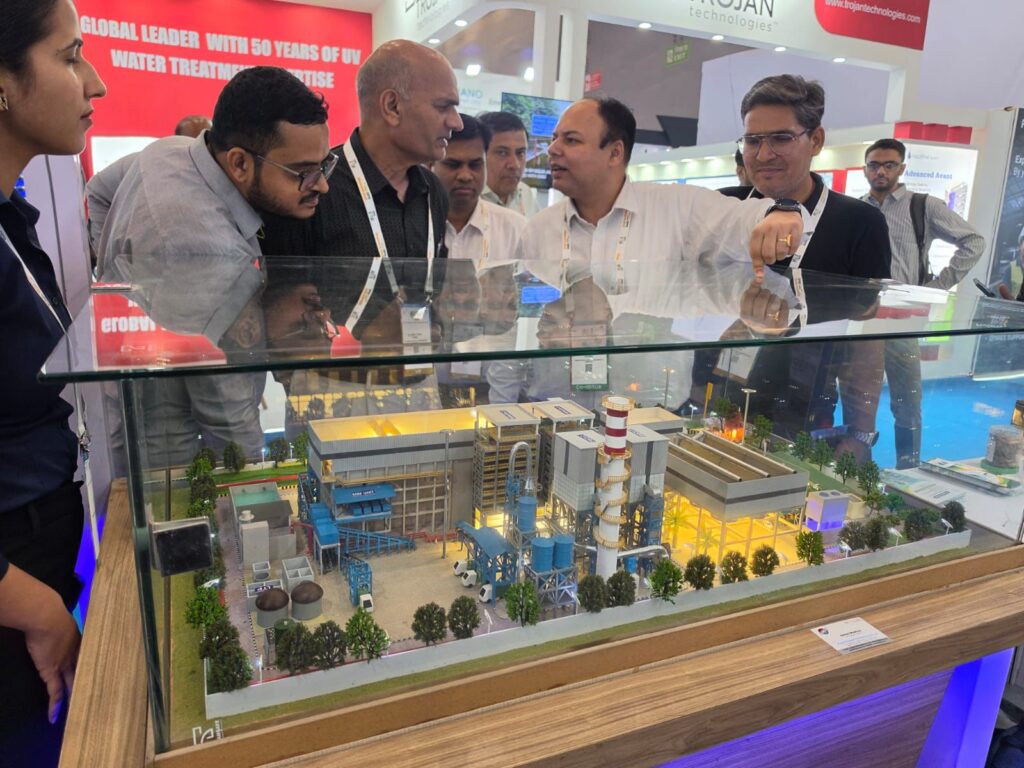
On display were cutting-edge infrastructure projects—Construction and Demolition (C&D) Waste Processing Plants that recycle debris into usable materials, Waste-to-Energy (WTE) facilities converting non-recyclables into power, and decentralized biogas plants producing clean energy and compost. Equally striking were horticulture waste-to-pelleting units, designed to turn green waste into fuel pellets, and “zero waste-to-landfill” colonies and hospitals, proving that community-driven diversion is possible at scale.
Beyond infrastructure, MCD emphasized citizen engagement. The Swachh Vaahini programme strengthens door-to-door collection of recyclables, while Project Vikalp tackles single-use plastics with sustainable alternatives. Creative initiatives like Waste to Wonder Parks, which transform scrap into public art, underline the Corporation’s belief that waste management is as much about culture as it is about technology. Large-scale awareness campaigns further reinforce behavioural change, embedding sustainability into everyday life.
By integrating innovation, infrastructure, and citizen participation, MCD’s showcase at IFAT Delhi 2026 signals a shift: Delhi is not just managing waste, it is reimagining urban living for long-term environmental impact.
—The End
