
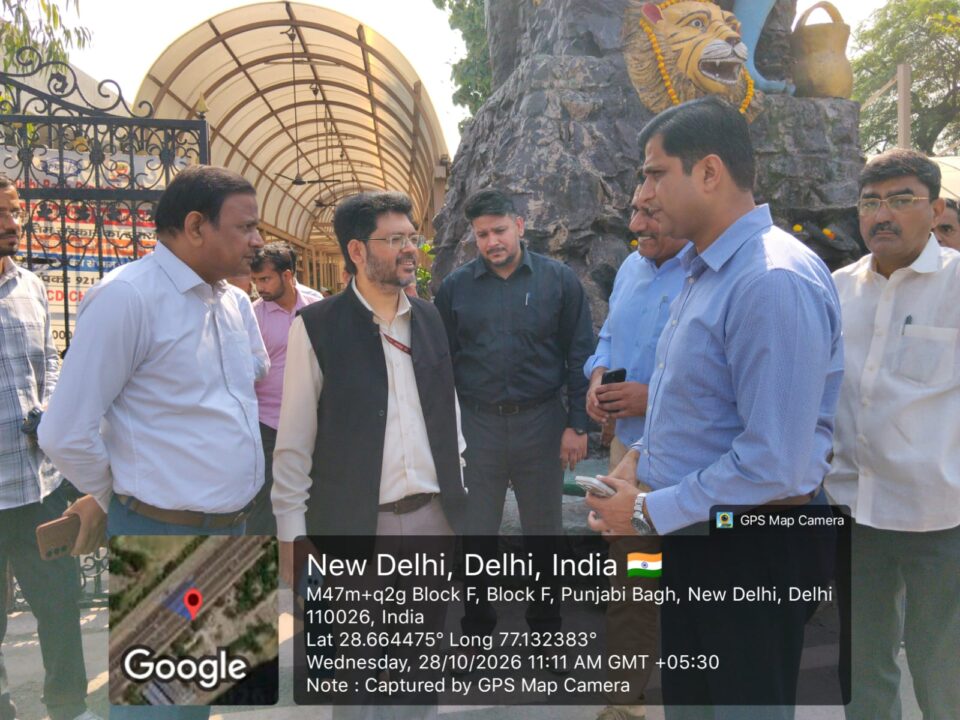
With dust settling on roads, construction waste piling up at open sites and truck movement adding to the pollution burden, authorities have stepped up efforts to tackle dust pollution around Delhi’s Punjabi Bagh pollution hotspot.
Rupesh Kumar Thakur, CEO of the Delhi Urban Shelter Improvement Board (DUSIB) and nodal secretary for the hotspot, on Wednesday inspected several locations within a three-kilometre radius and directed concerned agencies to take strict action against pollution-generating activities.
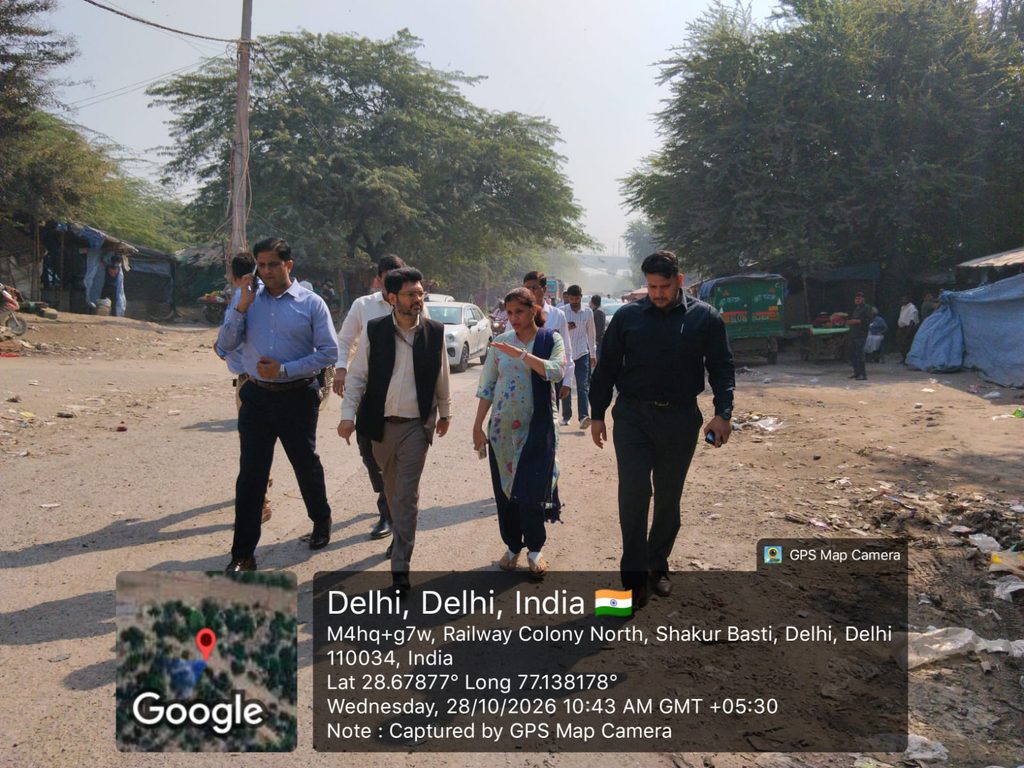
The inspection focused on identifying sources of dust, reviewing the effectiveness of existing control measures and ensuring that government agencies move beyond routine checks to enforce pollution-control rules on the ground.For residents living in and around these areas, dust pollution is not merely an administrative concern.
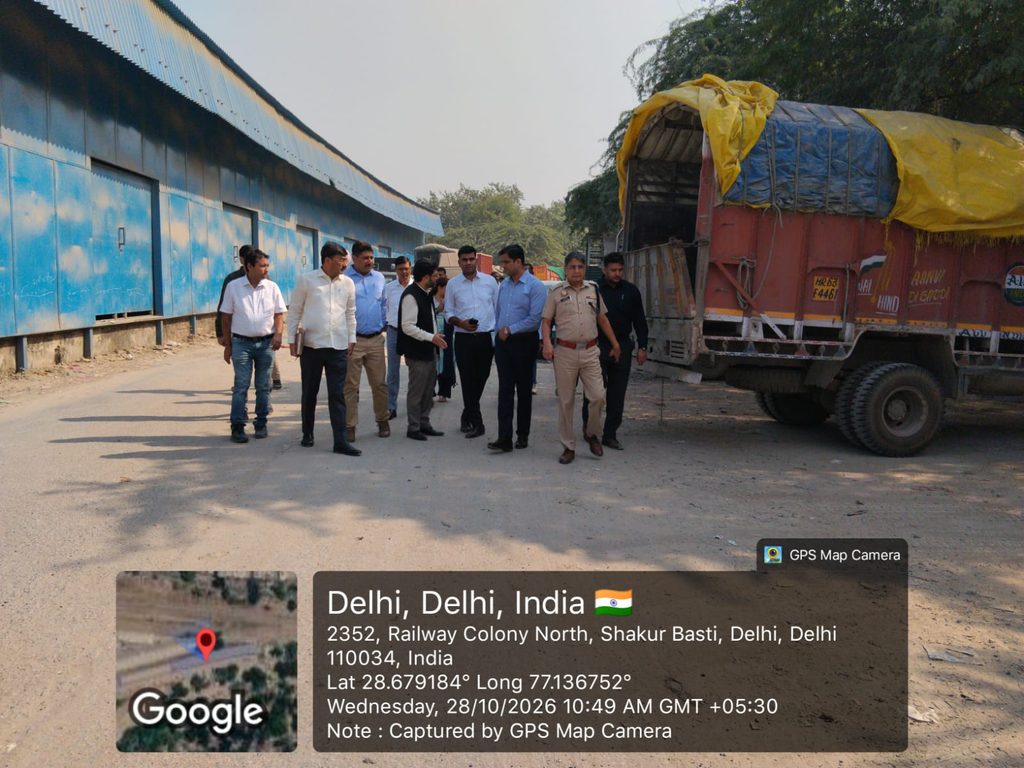
Dust-laden air can make everyday activities such as walking, commuting and spending time outdoors increasingly uncomfortable. The inspection sought to address some of the sources contributing to this burden.Railway siding yard raises concern over dust emissionsOne of the key locations inspected was the Shakur Basti Railway Siding Yard in northwest Delhi, approximately 1,100 metres from the Punjabi Bagh hotspot.
The site was identified as a potential major source of dust pollution.Thakur expressed serious concern over the accumulation of dust and the possibility of it spreading to surrounding areas. Truck parking and cement-handling activities at the site also came under scrutiny.
He directed the concerned Delhi government official from the North-Central District to coordinate with Northern Railway and take strict action to address the issues. Delhi Pollution Control Committee (DPCC) officials were instructed to issue challans — monetary penalties for violations — under applicable rules.
If required, proceedings to seal the premises must also be initiated in accordance with prescribed procedures.The directions underline the importance of checking pollution at its source rather than relying only on measures to control dust after it has spread into the air.
Construction waste site, sprinklers inspectedThe inspection team also visited the Maintenance-I Division of the Municipal Corporation of Delhi’s (MCD) West Zone to assess the condition of the construction and demolition (C&D) waste site and examine the sprinkler system installed for dust suppression.
Construction and demolition waste can become a source of airborne dust when it is improperly stored, handled or left exposed. Sprinklers help settle dust by keeping surfaces moist, but their effectiveness depends on regular operation and proper maintenance.
At Punjabi Bagh’s Dussehra Ground, officials briefed the nodal secretary on the deployment of two tractors to keep exposed, dusty brown patches moist and prevent dust from rising into the air.
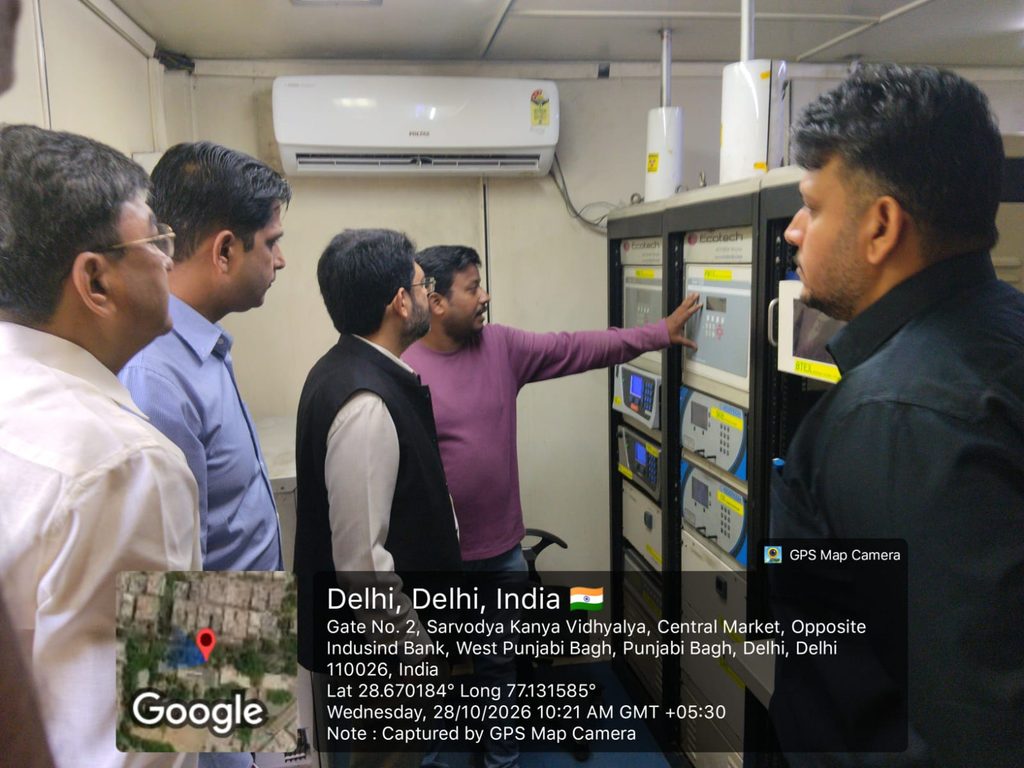
These measures are intended to reduce dust dispersal, although their success will depend on sustained implementation, especially at exposed sites and during periods of heavy activity.Monitoring station reviewed to assess air qualityThakur also visited the Punjabi Bagh Hotspot Monitoring Station, where the Deputy Commissioner of MCD’s West Zone explained its functioning and the air-quality parameters displayed there.
Monitoring stations help officials track pollution levels and understand changing air-quality conditions. However, the larger challenge is translating the information collected into timely action against the sources contributing to pollution.
The inspection brought together officials from MCD, DPCC, the Public Works Department (PWD), Delhi Traffic Police and the Delhi government, highlighting the need for coordinated enforcement across departments.Cleaner cremation facilities get a pushIn the final phase, the team visited the Punjabi Bagh Cremation Ground to review measures aimed at reducing emissions from cremation activities.Thakur appreciated the initiatives promoting wood-free cremation through CNG and electric facilities. He also commended the decision to offer these services free of cost to encourage people to choose cleaner alternatives.The move is significant because the availability and affordability of cleaner options can influence whether people adopt them. Providing such facilities without charge can remove a financial barrier for families at an emotionally difficult time, while also supporting efforts to reduce emissions.Enforcement will determine the impactThe inspection was attended by Col. Vinod Atri, Deputy Commissioner, West Zone, MCD; Ranbir Singh, DCP (Traffic), Western Range; Swapnil Singh Thakur, Assistant Commissioner, West Zone; Iti Agrawal, SDM, Rajouri Garden and District Magistrate, West District; and officials from DPCC, PWD and MCD’s West Zone.Thakur directed all concerned agencies to expedite pollution-control measures, with particular emphasis on dust suppression, proper maintenance of sites and timely enforcement under applicable regulations.The inspection has brought several potential sources of dust pollution into focus, particularly the railway siding yard, construction waste site and exposed ground surfaces. The next test will be whether the directions translate into regular monitoring, effective penalties and lasting improvements at these locations.For people living and working in the area, the real measure of success will not be the number of inspections conducted, but whether the dust they encounter in their daily lives actually begins to decline. Coordinated action, consistent enforcement and proper upkeep of identified sites will be crucial to achieving that goal.
