
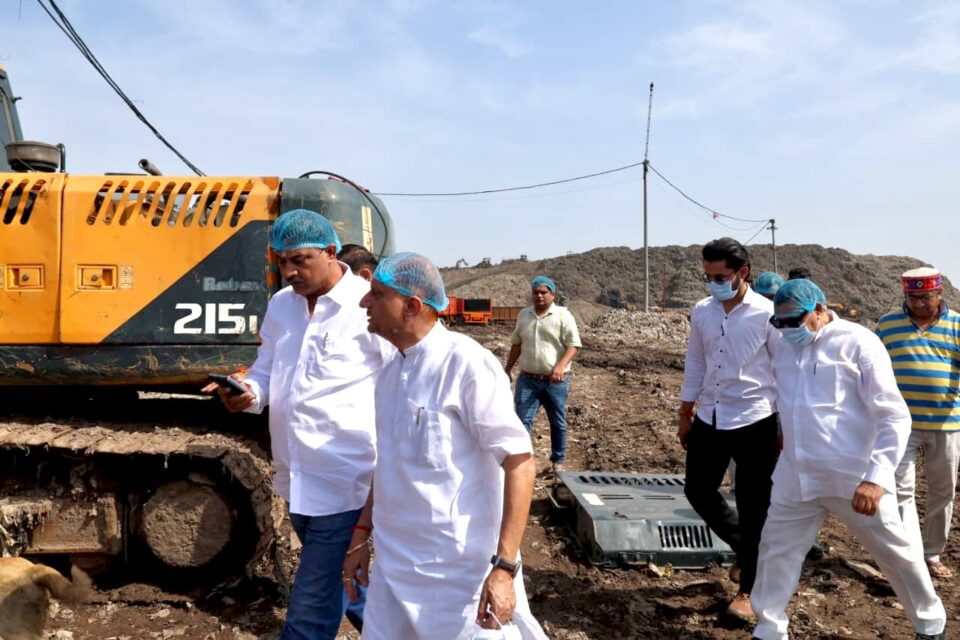
New Delhi: For years, the Bhalswa landfill has stood as one of the starkest symbols of Delhi’s struggle with its mounting waste. The towering mass of legacy garbage may finally be nearing its end, with only an estimated 4–5 lakh tonnes of old waste left to be cleared.
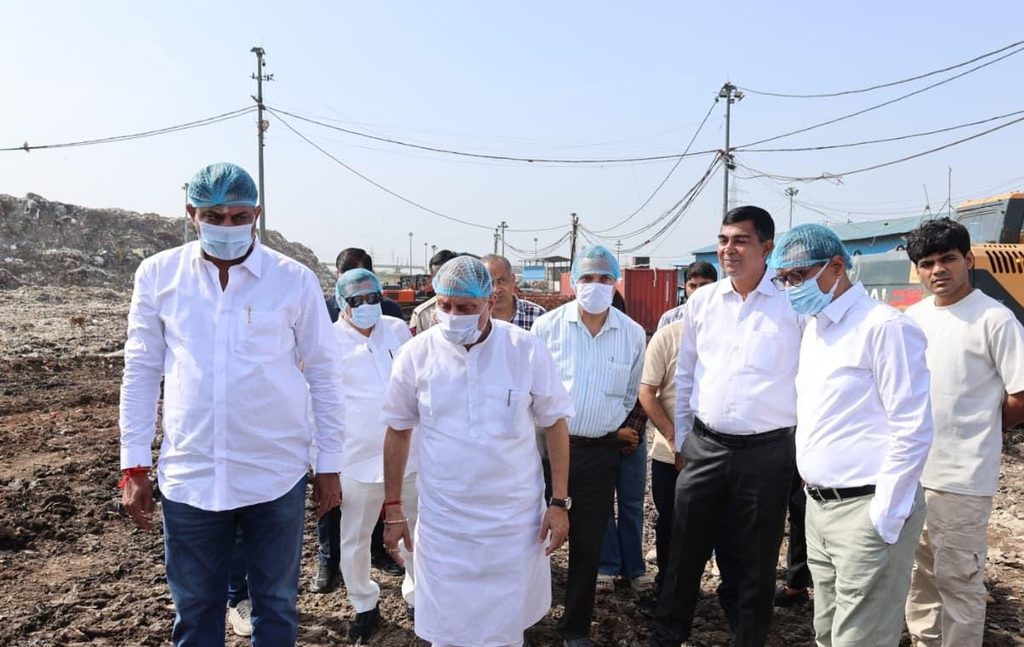
On Saturday, Delhi Mayor Pravesh Wahi inspected the landfill and reviewed the ongoing bio-mining operations, directing officials to step up the pace by deploying more machinery so that the site can be cleared and reclaimed within the stipulated timeframe.
According to the Mayor, around 15,000 metric tonnes of waste is currently being processed every day at Bhalswa. He said the visible reduction in the garbage mountain was a sign of progress, but stressed that the remaining waste must be removed without delay.
More machines, faster clearance
The Mayor instructed MCD officials to increase the number of machines deployed for bio-mining. The objective is not merely to reduce the height of the landfill, but to recover the land buried beneath years of accumulated waste.
The civic body plans to further accelerate the disposal of fresh waste after September, with the Mayor directing officials to work towards handling it at twice the current pace.
A waste-to-energy plant is also being established at the Bhalswa site, which the MCD expects will provide an additional push to waste management and disposal operations.
What happens to the material recovered?
Bio-mining separates the old waste into different components. The inert material recovered during the process is being used to fill low-lying areas, according to the Mayor.
For Delhi, this is significant. A landfill is not simply a mountain of garbage—it represents land that remains unavailable for other uses and a long-standing civic challenge for neighbourhoods around it.
The gradual disappearance of the waste mountain therefore carries a meaning beyond numbers and machinery. It is about reclaiming land and reducing the physical footprint of decades of waste accumulation.
The larger challenge begins beyond Bhalswa
Even if the legacy waste at Bhalswa is completely removed, Delhi’s waste problem will not disappear.
Every day, the city continues to generate fresh municipal waste. Unless waste is segregated at source, processed efficiently and disposed of scientifically, today’s garbage can become tomorrow’s landfill.
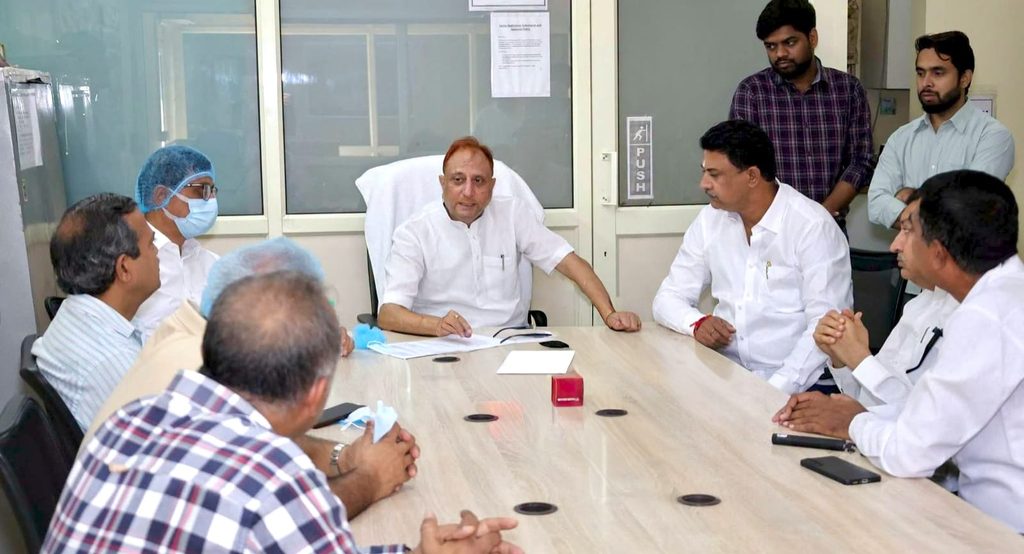
The Mayor appealed to Delhi residents to segregate waste into four categories and ensure its proper disposal. His message was simple: the responsibility for a cleaner Delhi does not end at the landfill gate.
The inspection was attended by North Zone Deputy Chairman Sanjay Tyagi, Nominated Member Rajpal Rana, Additional Commissioner Arun Kumar Mishra, E-in-C K.K. Sharma and other senior MCD officials.
For residents living with the sight and legacy of Delhi’s landfill sites, the shrinking garbage mountain offers a reason for hope. But the real test will be whether the city can prevent another mountain from rising once Bhalswa is cleared.
